DOWNLOAD ALEXA SKILL APP THEN SHOP ON AMAZON
AI AGENT FOR RESEARCHERS, SCIENTISTS. & ENGINEERS
LAUNCH CHATGPT AI RESEARCH ASSISTANT – 2.0
GET SIM CARD FOR AT&T, T-MOBILE, US CELLULAR & VERIZON SERVICES – Volume Discount
(Special Pricing end 12/31/26)
Only $0.02/SIM – GET SIM CUSTOMER SUPPLIED TRIPLE PUNCH T-MOBILE SIM CARD(For Network devices & Wireless Networking)
Only $9.50/SIM – GET T-MOBILE SIM CARD HERE – SIM T-MOBILE 2FF/4FF RETAIL(for smartphones and tablets) TRIPLE PUNCH SIM CARD – SKU ZZZ260R060, – T-Mobile 2FF/4FF retail SIM card, designed for mobile connectivity and data services.
Only $0.02/SIM – GET SIM AT&T 2FF SIMATT 2FF/4FF ATT RETAIL
Only $9.50/SIM – GET SIM AT&T FIRSTNET 2FF 4FF TRIPLE PUNCH FIRSTNET PLATFORM BAS
Only $9.50/SIM – GET SIM TRIPLE PUNCH AT&T APEX/RETAIL ONLY ATT SKU: 6818B
Only $9.50/SIM – GET SIM AT&T VARIOUS 310-280 UICC-I TRIO SIM 2FF 3FF 4FF A
Only $9.50/SIM – GET AT&T SIM CARD HERE – FIRST NET & VARIOUS 2FF, 3FF & 4FF SIM CARD( will work perfectly fine in data center equipment like IoT gateways, 4G/5G cellular routers, and out-of-band management modems) Use adapter for smart phones and tablets.
Only $9.50/SIM – GET SIM US CELLULAR 2FF4FF TRPLE PUNCH 4G-5G PLANSID 223814 SIM
Only $9.50/SIM – GET SIM VERIZON RUGGEDIZED 2FF ONLY FOR VERIZON RETAIL OR VPP ACCOUNTS
Only $9.50/SIM – GET SIM VERIZON RUGGEDIZED 4FF ONLY FOR VERIZON RETAIL OR VPP ACCOUNTS
Only $23.99/Tray – GET CISCO SIM Card Tray – VPN:MA-SIMTRAY-5C – SKU:NS5789
Only $16.99/Tray – GET CISCO SIM Card Tray – VPN:MA-SIMTRAY-2C – SKU:NS5791
(All Above Purchases Include Taxes + Free Shipping Direct)- Single SIM Card price(No Refunds). Volume Discount available. Buy here pay here
REASONS TO BUY
Easy setup – simplifies mobile connectivity
Wide network coverage – provides reliable data services
Cost-effective – offers competitive pricing.
CONSIDERATIONS
Limited compatibility – only works with compatible networks
No additional features – basic connectivity functionality.
Volume Pricing Opportunities
At Bahama Group, we understand the needs of large volume buyers and can customize a program to fit you and your organization. This means that when you have a large order to place with us, you may be eligible for special low prices.
We believe that providing consistently low prices is the key to earning our customers’ loyalty. That’s why it’s our policy to pass the savings we get from volume purchases on to you. In most cases we’re able to secure better pricing on products indefinitely, so you can continue to save on those products far into the future. Contact us to discuss your pricing, while inventory last–+1-954-314-7419- +1-305-938-7812-International or email marketing@suntransitfoundation.com- Call now
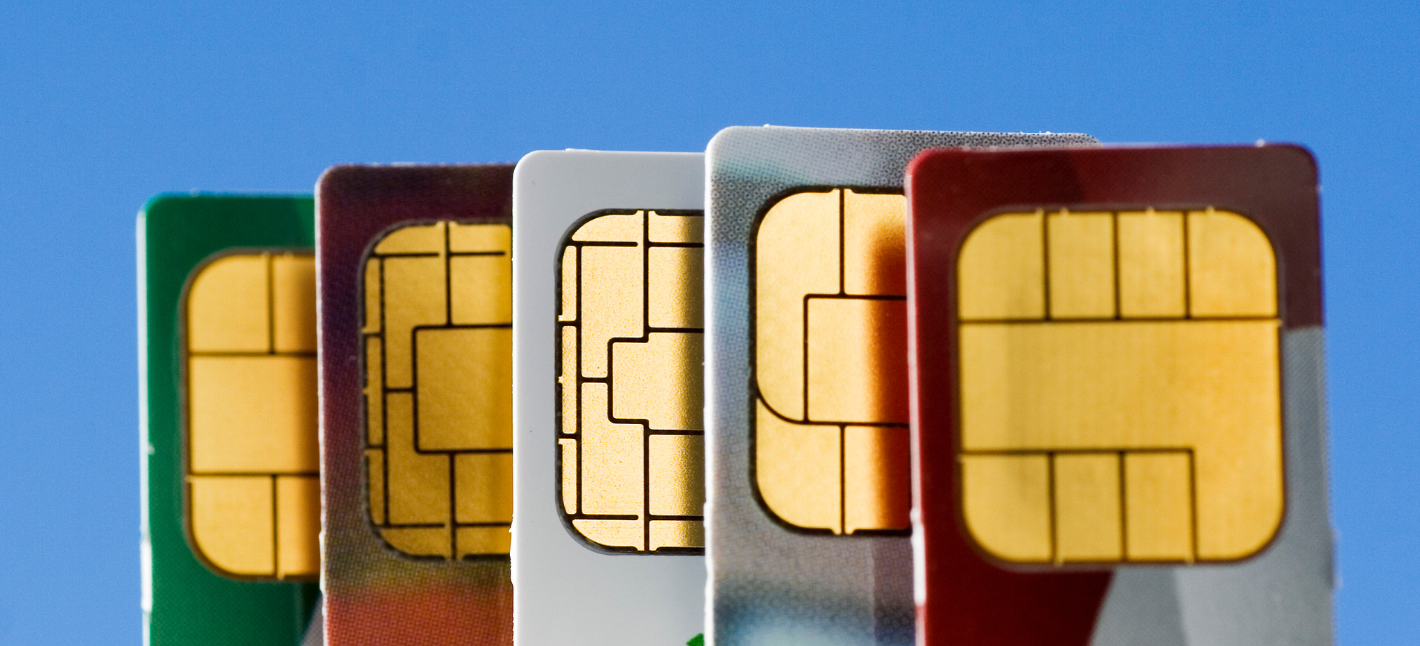
SIM is an acronym for a subscriber identity module or subscriber identification module. A SIM card is an integrated circuit with a card operating system (COS). It is designed to securely store the international mobile subscriber identity (IMSI) number and its associated key, which are used to identify and authenticate subscribers on mobile IoT devices.
Introduction to SIM Card Type
There are different types of SIM cards for unique needs. There are three types of SIM cards based on their insertion on the device. These three types include:
- Standard SIM card(Mini-SIM): This is the largest form factor of SIM cards and was the most commonly used type until the introduction of smaller sizes. It measures approximately 25x15mm and requires a larger SIM card slot in the device.
- Micro SIM card: Micro SIM cards are smaller than standard SIM cards and measure about 15x12mm. They were introduced as a space-saving option for devices that couldn’t accommodate the larger standard SIM card.
- Nano SIM card: Nano SIM cards are the smallest form factor currently in use and measure about 12.3×8.8mm. They were introduced to reduce SIM cards’ size further, allowing manufacturers to create thinner devices with limited space for SIM card slots.
It’s worth noting that adapters can convert a smaller SIM card into a larger size, allowing it to fit into a device with a larger SIM card slot.
In addition to these SIM cards, they are divided into four SIM card dimensions, as given below.
What are the differences between SIM cards?
Suppose you’re designing a device for industrial purposes or consumers, that relies on cellular connectivity. In that case, you should be aware of the many SIM form factors available so that you can make the optimal option and design accordingly.
SIM form factors are the defined sizes produced by subscriber identity modules (SIMs). SIM form factors are classified as 1FF, 2FF, 3FF, 4FF, and MFF2. Each SIM generation is smaller than the previous one. MFF2 is an abbreviation for the machine-to-machine form factor.
All the form factors have the same capabilities, but their proportions change, making them more appropriate for devices. 2FF, 3FF, and 4FF SIMs must be inserted into a device; however, MFF2 SIMs must be embedded, which is why they are also known as eSIMs, and 1FF SIM cards are no longer in use. While they are commonly referred to by the generation (1, 2, 3, 4), subsequent SIMs are sometimes referred to as “mini SIMs” (2FF), “micro SIMs” (3FF), “nano SIMs” (4FF), and “eSIMs” or “embedded SIMs” (MFF2).
What are the sizes of SIMs available?
SIM cards and their dimensions have decreased over time, allowing product designers more freedom. Here are the dimensions of each SIM card form factor:
- 1FF: 85.6mm × 53.98mm × 0.76mm
- 2FF (Mini SIM): 25mm x 15mm x 0.76mm
- 3FF (Micro SIM): 15mm x 12mm x 0.76mm
- 4FF (Nano SIM): 12.3mm × 8.8mm × 0.67mm
- MFF2 (eSIM): 5mm x 6 mm x 1mm
The 4FF form factor or Nano SIM cards are considerably smaller and narrower than their predecessors. Therefore, it is an excellent networking solution for small IoT or M2M devices like wearables or mobile payment devices.

Traditional SIM Cards: How They Work and Their Limitations
Classic SIM cards or physical SIM cards are still the most popular type of SIM cards to date. Mobile Network Operators (MNOs) generally provide traditional SIM cards and must be physically inserted into mobile devices. While they are removable, these cards can not simultaneously work on multiple carriers.
Micro and Nano SIM Cards: The Evolution of Traditional SIMs
Traditional SIM card has different form factors. These form factors are evolving according to the latest technology trends. Here is a short roadmap of different types of SIM cards:
- 1FF SIM card (Standard SIM card): A size of credit card introduced in 1991
- 2FF SIM card (Mini SIM card): 12 times smaller than standard SIM, SIM cards launched in 1996
- 3FF SIM card (Micro SIM card): built-in 2003, 1cm smaller in length and 0.2cm smaller in width for compact mobile devices
- 4FF SIM card (Nano SIM card): introduced in 2012, the smallest physical SIM.
-
Choosing the Right SIM Card Type: Key Factors to Consider
When choosing the right SIM card type, there are several key factors to consider:
- Device compatibility: Ensure that your SIM card type is compatible with your device. Different devices have different SIM card slot sizes, so verify which type of SIM card your device supports (standard, micro, or nano).
- Form factor: Consider the physical size of the SIM card and whether it will fit into your device’s SIM card slot. Smaller form factors like micro SIM or nano SIM allow for more compact device designs.
- Network compatibility: Check if the SIM card type is compatible with the network you intend to use. SIM cards are typically available in different variants for various network technologies (GSM, CDMA, LTE, etc.). Ensure that your chosen SIM card type supports your carrier’s network bands and technology.
- Future compatibility: Consider the longevity and future-proofing of the SIM card type. Nano SIM has become the standard for many modern devices, so choosing this smaller form factor may provide better compatibility with future devices.
- Ease of switching: Evaluate the ease of switching or transferring your SIM card to another device. Smaller SIM card types like nano SIM often require adapters or specialized tools to fit into devices with larger SIM card slots.
- Local availability: Ensure that your selected SIM card is readily available in your region or country. Some areas may have limited availability of certain SIM card types, so choosing one that you can easily obtain is important.
SIM Card Form FactorsThese refer to the physical size of a mobile SIM card. The actual internal microchip is identical across all three, and they are not specific to data centers.
2FF (Mini-SIM): The traditional, larger SIM card standard for older cell phones and large commercial equipment.
3FF (Micro-SIM): The medium-sized SIM common in early 2010s tablets and devices.
4FF (Nano-SIM): The smallest and current standard for most
BUY AI AGENT APIs – CHATGPT API and TRIGGER API – Sent to buyers email address
CHECK OUR PRICES BEFORE YOU BUY A REUSED PHONE!. WE BEAT ANY PRICE. COMPLETE FORM NOW
Complete form below to get $800 off any UNLOCKED(Any country) & NEW LOCKED(U.S. only) iPhone or Android of your choice. Free Shipping to any country, while inventory last–+1-954-314-7419- +1-305-938-7812-International- Call now
Bahama Group is an international technology service Buying Club Gateway for telecom products, services and Best Pricing. Our clients are consumers, private and public businesses, government, and tech partners. Use TransTechnology’s platform to submit quotes for product requests including telecom products, computer hardware, industrial products, health & safety, or technology service request. We will enable your cloud network connectivity with lower cost, Secured 5G connection (i.e. ensure secure fixed devices and mobile wireless connected laptops). Get the best network connectivity, telecom products and telecom services at the best price. Our technology services, telecom products & services will give you the most up-to-date experiences. Request a Quote toll free for Best Pricing from our representative – +1-954-314-7419–+1-305-938-7812-International – email(marketing@suntransitfoundation.com) or schedule an appointment with Chat
ENTER PRICING SERVICE PAGE
enter n/a where not applicable
CONTACT US